Key Takeaways
- Removal costs typically £2,800–£8,000 for a standard 100m² loft (plus extras).
- Doing nothing risks mortgage decline, sale failure, reduced price, and potentially escalating timber damage.
- Roof repair or full replacement can cost £8,000–£20,000+ — far more than removal in most cases.
- For those needing to sell, remortgage, or release equity in the near term, removal typically pays for itself.
- Get an independent inspection first — the urgency depends on what the timbers actually look like.
The Cost of Removal
Spray foam removal for a standard 100m² loft typically costs approximately £2,800–£8,000, depending on foam type, loft access, and the scope of associated work (see our full cost guide). Add timber repairs where needed (£200–£1,000+), breathable re-insulation (£300–£1,500+) and an independent RICS removal certificate (from approximately £349), and the total for a full resolution is commonly £4,000–£10,000 for a typical property.
That is a meaningful sum — but it is a one-time cost that resolves the problem permanently.
The Cost of Doing Nothing
The cost of not removing the foam needs to be considered in full:
Mortgage declines. If you are trying to sell to a buyer with a mortgage, or to remortgage yourself, declining lenders mean a failed transaction. A sale that falls through costs time, legal fees, and re-marketing costs. A remortgage failure means remaining on an SVR that may cost thousands per year more than a competitive rate.
Reduced sale price. Selling to cash buyers or the minority of flexible-lender buyers typically means accepting a discount — often £5,000–£20,000+ below what a fully mortgageable property achieves, depending on the market.
Timber deterioration. This is the longer-term, less visible cost — and potentially the most serious. Spray foam applied without adequate ventilation traps moisture against roof timbers. Over months and years, that moisture drives timber towards rot. The pace and extent of damage depend on the specific installation and your roof’s construction, which is why an inspection matters.
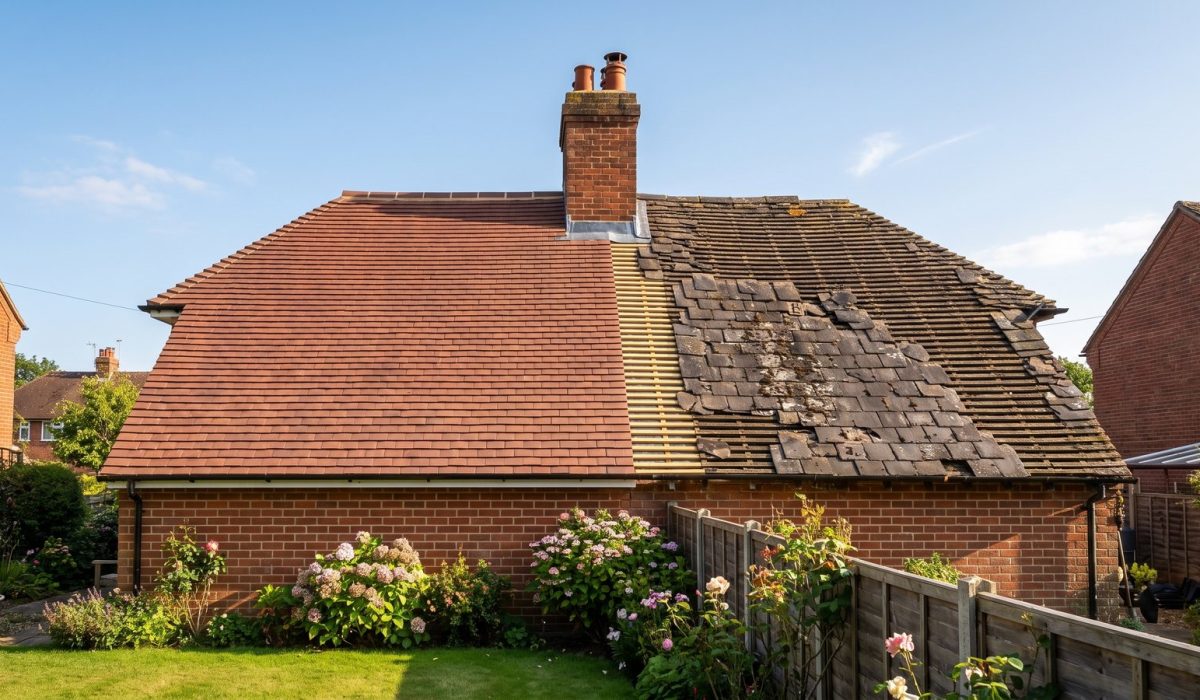
If left untreated, rot can progress from a surface concern to a structural one — at which point the remedy is not removal of foam but repair or replacement of significant sections of roof structure. Roof repairs or full replacement cost £8,000–£20,000 or more for a standard home, often significantly more. By comparison, removing the foam and finding the problem early is far cheaper.
The Saleability Factor
Beyond the financial arithmetic, there is a practical reality: if you need to sell your home in the next few years, spray foam is a problem that will surface. It surfaces on the survey, it blocks the buyer’s mortgage, and it causes sales to collapse — often late in the process, after solicitors, surveys, and time have all been invested.
Removing the foam before listing — or at minimum commissioning a PCA-protocol inspection and having the report available for buyers — makes the sale cleaner, faster, and more likely to achieve the asking price.
Sellers who have resolved the foam issue before going to market consistently report a smoother sales process than those who tried to market without resolving it and encountered buyer difficulties mid-transaction.
When Removal Clearly Pays Off
Removal makes the most unambiguous financial and practical sense when:
- You plan to sell in the near term — the restored buyer pool and price protection are direct, quantifiable benefits.
- You want to remortgage or release equity — removal removes the lender barrier and opens the market.
- The inspection reveals timber in poor condition — the cost of waiting is escalating structural damage.
- You have been on SVR for an extended period — the ongoing cost of a locked-out remortgage market may already be exceeding removal costs.
When the Urgency May Be Lower
Removal is not always a matter of immediate urgency. Scenarios where you might reasonably take more time to decide:
- You have no plans to sell or remortgage in the next 5+ years and an inspection has confirmed sound timber and adequate ventilation.
- The foam is open-cell, correctly installed, with a breathable underlay — lower moisture risk, though the inspection barrier for lenders remains.
- You are content to monitor rather than act immediately — provided you commission regular inspections to catch any developing moisture issues early.
Even in these lower-urgency cases, an independent inspection is still the right starting point. Without knowing the actual state of your timbers, you cannot make an informed decision about urgency.
The Bottom Line
For most homeowners with near-term plans to sell, remortgage, or access equity, removal and certification is worth the investment — it restores market access, protects value, and removes the risk of escalating structural costs.
For those with longer timescales and low-risk installations, the decision is less clear-cut — but an independent inspection should always precede it.
Book an independent inspection first — then, if removal is the right move, request a quote.
This is general information, not financial advice — please consult a qualified mortgage broker about your circumstances.
Related reading: How much does spray foam removal cost? · Does spray foam devalue your house? · Spray foam & timber rot: what to look for